Story ideas
How do you help a child with recurring nightmares?
How to help a child with recurring nightmares by teaching them to rewrite the scary dream while awake and give it a new ending, with a full example story.
The short answer
Let your child rewrite the dream while they're awake, giving the scary part a new, sillier, or braver ending they picture on purpose and rehearse before bed. Do the rewriting during the day or at calm bedtime, never in the panicked middle of the night, and let them invent the new ending. A story where a character just like them changes their bad dream teaches this skill in a way a child can actually use.
Key takeaways
- When a scary dream keeps returning, a child can start to dread sleep itself.
- A lot of the power over a dream comes from what happens while they're awake.
- Rewrite the dream on purpose, giving it a new, sillier, or braver ending.
- A story where your child changes their dream shifts them from victim to author.
How do you help a child with recurring nightmares?
Let your child rewrite the dream while they're awake. When a scary dream keeps coming back, a child can start to dread sleep, which makes bedtime harder and the whole cycle worse. The most helpful move is to give the scary part a new ending — sillier or braver — that your child pictures on purpose and rehearses before bed.
Telling a child a nightmare "wasn't real" doesn't stop it from returning the next night. What changes things is handing them a tool that puts them back in charge of the story.
Why does a story work when "it wasn't real" doesn't?
A story teaches the tool by showing it. When a child watches a hero take a familiar scary dream and change the ending on purpose, they learn that dreams can be steered — and that shifts them from victim to author. Give the hero your child's name and face and the skill becomes theirs.
What does a good nightmare story look like?
The names and characters are invented for this example. In a real personalized book, the hero is your own child.
1. A hero with something big to learn
Eli was a great sleeper until the same bad dream started showing up. It came back again and again, always the same scary shape chasing him, and he'd wake with his heart pounding. Soon Eli didn't want to sleep at all, because he knew what might be waiting.
2. A worry he can name
The worst part was how helpless the dream made him feel. He couldn't stop it, couldn't change it, and couldn't make it go away, so every night felt like walking into the same trap. Dreading sleep only made bedtime harder.
3. A hero who looks just like him
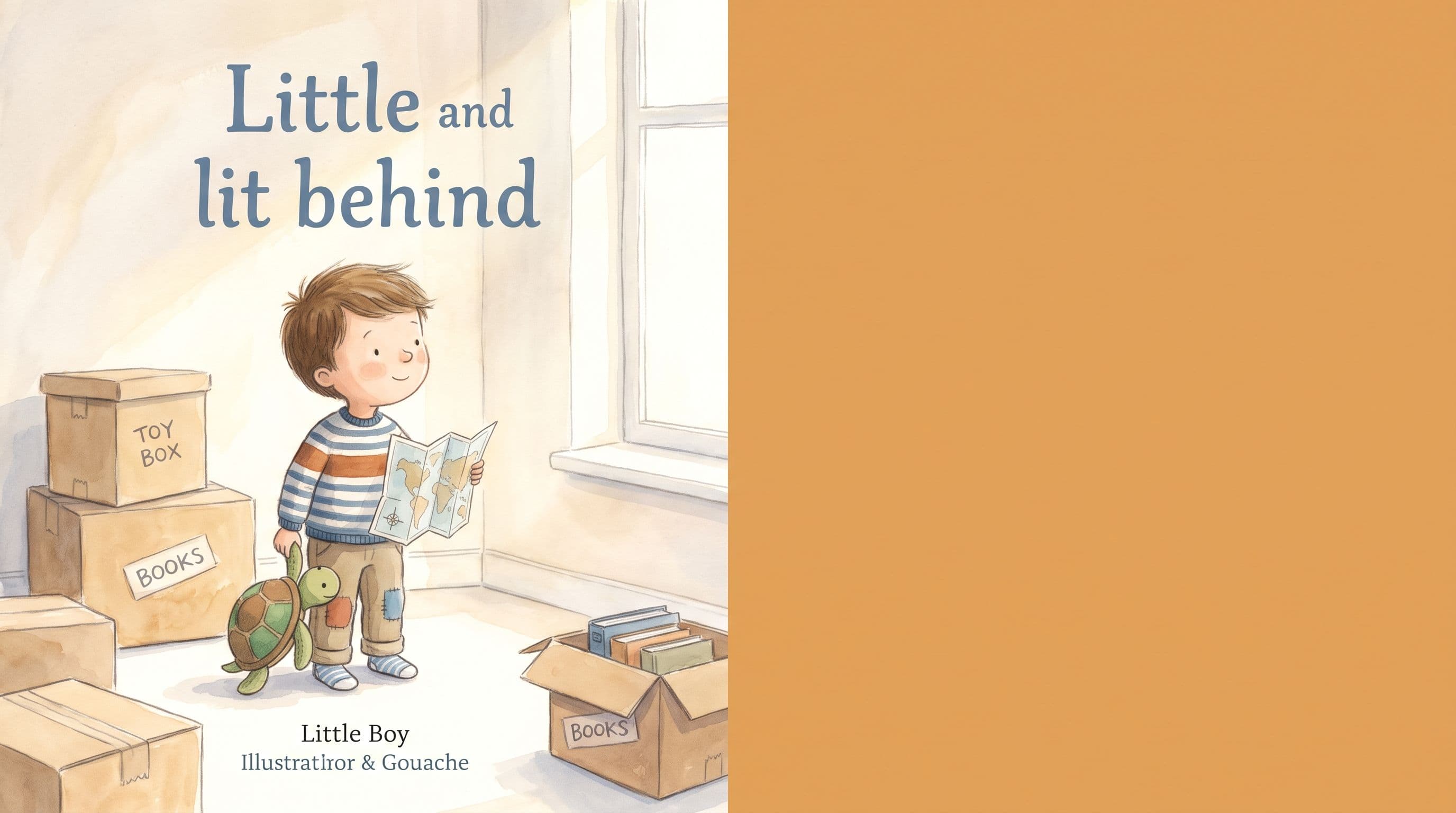
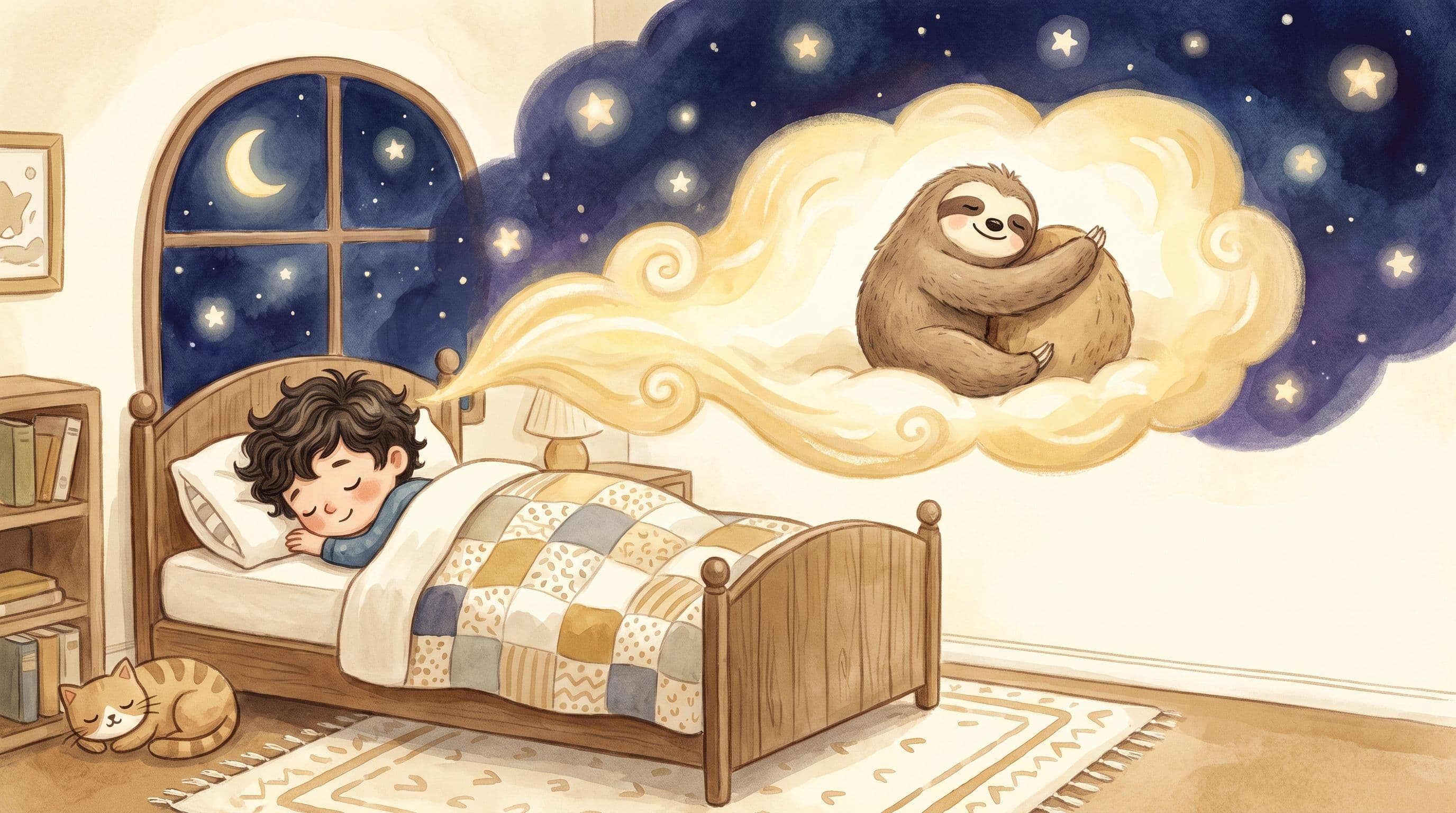
One night Dad read him a new book with a boy on the cover who had Eli's dark wavy hair and Eli's own name across the top. In the story, that Eli had a dream that kept coming back too, until his stuffed sloth Snooze taught him a secret. Dreams are stories your brain tells, and you can help write them. While you're awake and cozy, you practice the dream but give it a new ending: the scary shape trips over its own big feet and turns out to be made of marshmallow, and you laugh instead of run.
4. He tries, and feels proud
Story-Eli rehearsed his sillier ending before bed, and the dream lost its scary grip. Real Eli wanted to try it. Snuggled up with his stuffed sloth, he practiced his own new ending, turning the scary chase into something goofy where he was in charge. He drew a picture of the funny version. Some nights the dream still came, but now Eli remembered he could change it, and it wasn't the same trap anymore.
5. He won't stop asking for the book
Eli asked for the book every night and got good at rewriting any scary dream into a silly or brave one. He taught the trick to a worried friend at a sleepover. The nightmares faded, because Eli had learned the most powerful thing of all: he could help write his own dreams.
How should you use a story like this at home?
- Rewrite the dream during the day or at calm bedtime, never in the panicked middle of the night.
- Let your child invent the new ending. The sillier or braver, the better.
- Draw or act out the new version to make it stick.
- If nightmares are frequent, intense, or tied to a stressful event, check in with your pediatrician.
Why does my child keep having the same nightmare?
Recurring nightmares are common in young children and often reflect a worry the brain keeps replaying. The American Academy of Pediatrics notes that most children need comfort and reassurance after a nightmare and tend to outgrow them, and recommends talking with your pediatrician if bad dreams are frequent, worsening, or clearly tied to stress (Nightmares, Night Terrors & Sleepwalking in Children: How Parents Can Help). Rewriting the dream while awake gives your child something active to do between those reassurances.
Keep reading: nightmares and a fear of the dark often travel together — see how the same approach helps a child afraid of the dark.