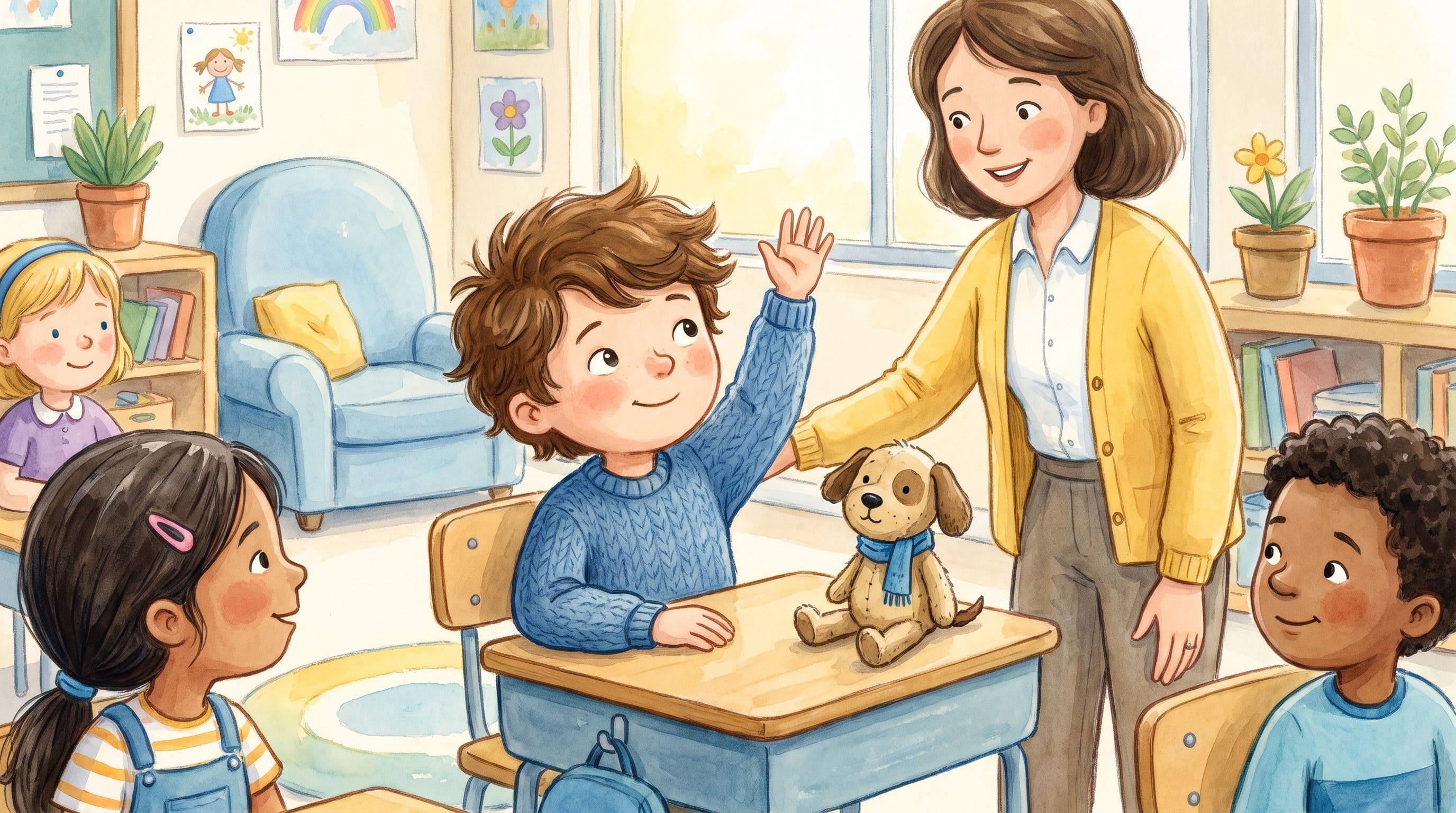
Story ideas
How do you help a child feel good about going to the resource room?
How to help a child feel proud of the resource room by framing it as coaching that helps them learn their way, the same way athletes get a coach, with a full example story.
The short answer
Frame the resource room as extra coaching that helps your child learn their own way, the same way the best athletes and musicians all have coaches, rather than as remediation for being "behind." Celebrate the progress and wins they make there, give them a simple, confident line for classmates' questions, and stay in close touch with the resource teacher and support team. A story where a character just like them thrives with extra support turns worry into pride.
Key takeaways
- A child may wonder why they leave the classroom when others don't, and worry it means something's wrong.
- It doesn't. The resource room helps kids learn the way that works best for their brain.
- Frame it as bonus coaching, the same way athletes get a coach.
- A story where your child thrives with extra support turns worry into pride.
How do you help a child feel good about going to the resource room?
Frame it as a special place that gives them extra help and coaching to learn their way, the same way athletes get a coach. If your child goes to the resource room for support, they may wonder why they leave the classroom when others don't, and worry it means something is wrong with them. It doesn't. When a child understands it as bonus support that helps them shine, they can walk in proud rather than self-conscious.
Leaving the classroom for a different room can make a child feel marked as different. A story reframes it as an advantage.
Why does a story work when a child feels singled out?
A story reframes the resource room as an advantage, not an embarrassment. When a child watches a hero go to a warm, helpful room and get exactly the support that makes learning click, it becomes a place they're lucky to have. Give the hero your child's name and face and the pride becomes theirs.
What does a good resource-room story look like?
The names and characters are invented for this example. In a real personalized book, the hero is your own child.
1. A hero with something to understand
A few times a week, Rosa left her regular classroom to go to the resource room for extra help. She liked her helper teacher there, but she wondered why she went when most of her classmates didn't.
2. A worry she can name
Did going to a different room mean something was wrong with her? Would kids think she wasn't smart? The questions made Rosa a little self-conscious about the room that actually helped her most.
3. A hero who looks just like her
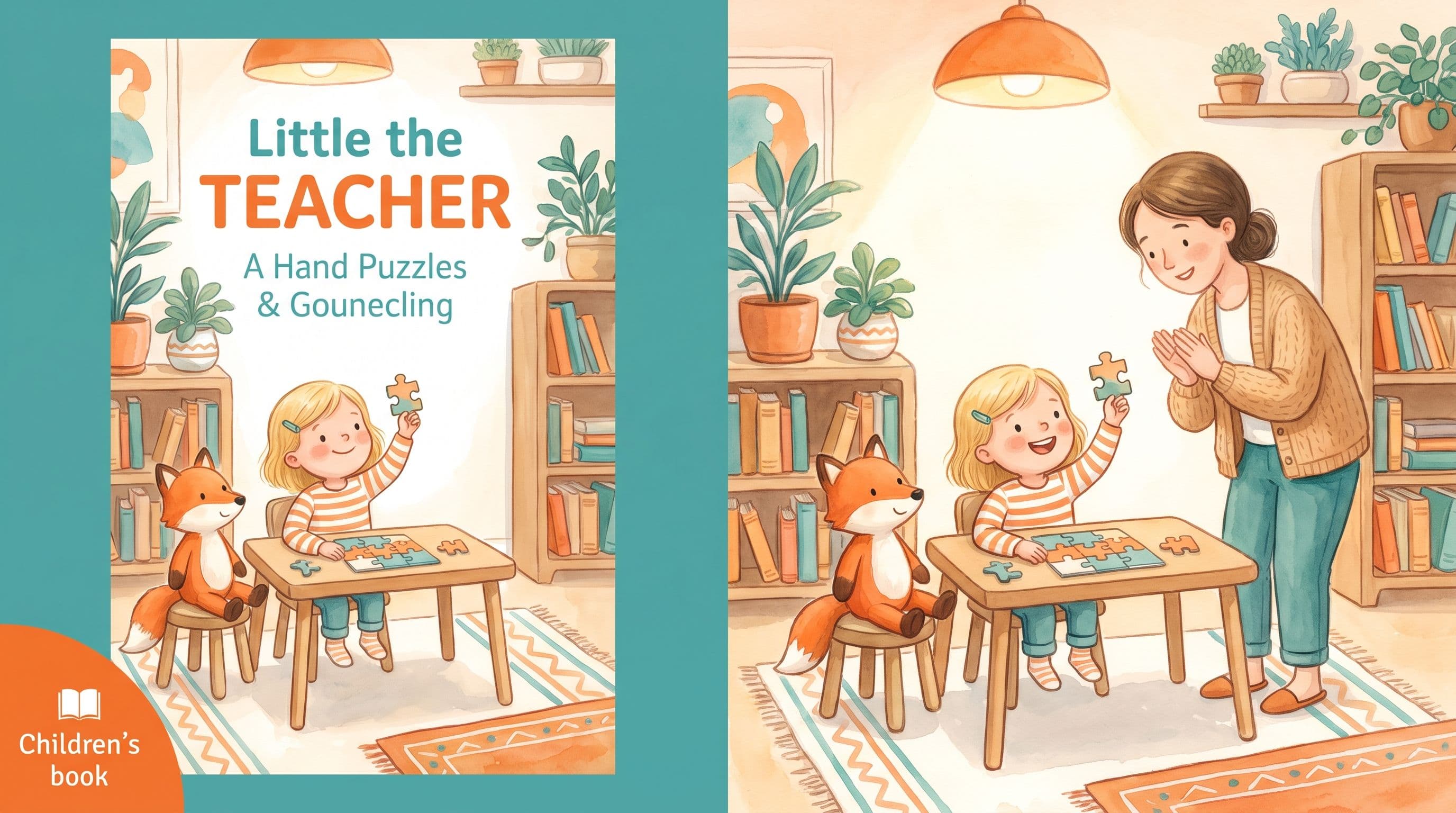
One evening her mom read her a new book with a girl on the cover who had Rosa's blonde hair, working happily with a kind teacher, and Rosa's own name across the top. In the story, that Rosa went to a resource room too, and her stuffed fox Sox explained it perfectly. The resource room is like having your own coach. The best athletes and musicians in the world all have coaches who help them practice the exact way that makes them great. Rosa's special room was her coaching room, extra help that let her brain learn its own way and shine. Sox reminded her that getting the right kind of help is smart, not something to hide.
4. She tries, and feels proud
Story-Rosa started seeing her special room as her coaching room, and she felt proud of the progress she made there. Real Rosa wanted to feel that way too. She thought about her helper teacher like a coach, and when a classmate asked where she went, she said, "That's my coaching room, it helps me learn my way." She started looking forward to it, because it was the place she felt most understood and made her biggest wins.
5. She comes back to the book
Rosa asked for the book whenever she needed a reminder, and thinking of the resource room as her coaching room stuck. The worry faded, because Rosa understood that everyone learns differently, and getting the exact help her brain needed was a superpower, not a secret.
How should you use a story like this at home?
- Frame the resource room as extra coaching, not remediation for being "behind."
- Celebrate the progress and wins your child makes there.
- Give them a simple, confident line for classmates' questions.
- Stay in close touch with the resource teacher and support team.
What helps a child who feels different for leaving class?
Normalizing that everyone learns differently, emphasizing the advantage of extra help, and keeping the tone positive all help. It's also reassuring to know the framework behind it: the American Academy of Pediatrics explains that an IEP or 504 plan is a formal plan of specialized instruction, supportive services, and measurable goals designed to help a child access their education and make real progress (IEPs and 504 Plans: A Guide to School Supports for Your Child).
Keep reading: extra help and protecting confidence go hand in hand — see how this approach helps a child who's struggling to read.